
When you think of caffeine, what comes to mind?
An energy drink? A morning coffee?
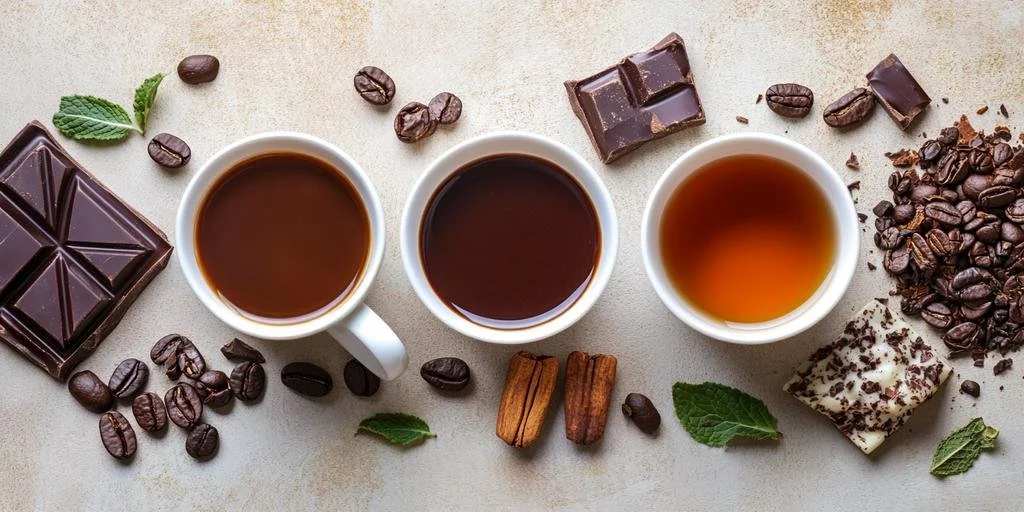
Those are familiar sources, but they are only part of the picture. Caffeine also occurs naturally in tea and chocolate, and it may be added to products such as chewing gum, energy bars, and certain over-the-counter medicines.
Even “decaf” does not always mean caffeine-free. According to the FDA, an eight-ounce cup of decaf coffee typically contains 2–15 milligrams of caffeine.
Labels can help, but they do not always tell the whole story. Many products voluntarily list their caffeine amount. Others do not. A chocolate-containing food, for example, may list chocolate as an ingredient without separately listing caffeine.
Try a simple caffeine check:
Think about everything you eat and drink throughout the day.
Look for caffeine information on packaging or the manufacturer’s website.
Check whether the listed amount applies to one serving or the entire container.
If the amount is unavailable, record it as unknown rather than assuming it is zero.
Do not change how you take medicine based on a caffeine tally. Ask a pharmacist or healthcare professional if you have questions.
At CaffiTeen, we believe awareness starts with seeing the full picture.
Every source counts. Know your caffeine.
Source: U.S. Food and Drug Administration, “Spilling the Beans: How Much Caffeine Is Too Much?”
This article is for educational purposes and is not a substitute for medical advice.
