
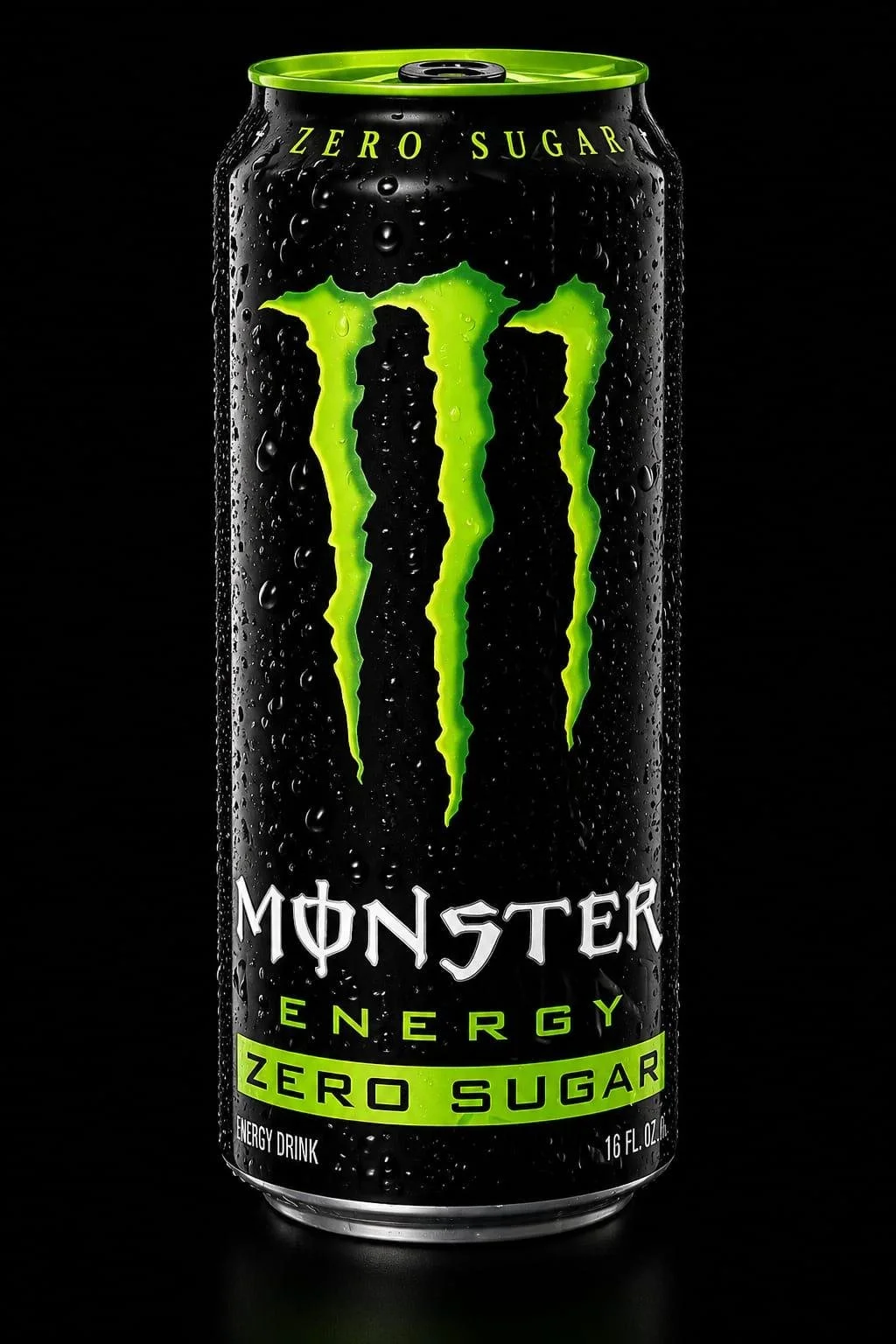
A bright can. A fruity flavor. A “zero sugar” label.
It is easy to focus on what an energy drink leaves out. But what does it still contain?
Sugar and caffeine are different ingredients. An energy drink can contain no sugar and still deliver a substantial amount of caffeine. The words “zero sugar” do not tell you how much caffeine is inside—or whether the drink is appropriate for teens.
The American Academy of Pediatrics says avoiding caffeine is the best choice for children and teens. Choosing a sugar-free version does not remove caffeine’s potential effects, including anxiety, a fast or irregular heartbeat, and sleep loss.
Before choosing a drink, look beyond the front of the can:
Does it contain caffeine?
How much is in the entire container?
Does the package carry a warning for children or teens?
If you are thirsty, water is a straightforward choice. If you are exhausted, an energy drink cannot replace the sleep your body needs.
At CaffiTeen, we encourage teens to ask questions about the whole product, not just the claim that stands out most.
Read beyond “zero.”
Source: American Academy of Pediatrics, “The Effects of Caffeine on Kids: A Parent’s Guide.”
This article is for educational purposes and is not a substitute for medical advice.
